
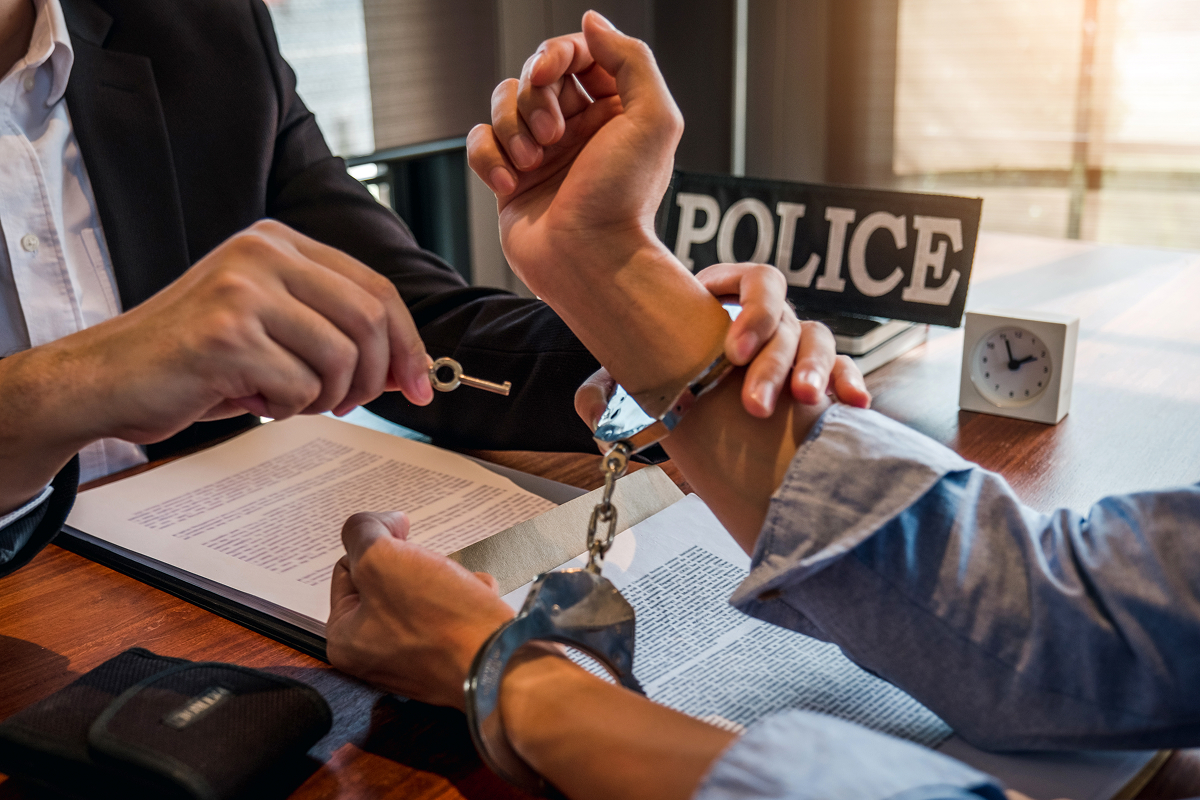
Facing criminal charges in Weatherford, Texas can be overwhelming, and understanding the difference between bail and bond is crucial for navigating the legal process effectively.
While often used interchangeably, bail and bond represent two separate components of the pretrial release process.
At The Loftin Firm, our criminal defense lawyers believe in empowering our clients with knowledge, especially when facing the stressful reality of criminal charges.
What Is Bail?
In criminal court, bail is an amount of money that a defendant pays the court in order to obtain a temporary and conditional release from custody. The purpose of bail is ensure that the accused returns for all required court appearances. If they do, the bail amount is refunded. If the accused fails to appear at a required proceeding, the bail may be forfeited.
Key Facts About Bail:
- A judge determines the bail amount after an arrest, considering factors such as the nature of the charges and the defendant’s past criminal record.
- Bail is paid directly to the court by the defendant or a family member.
- Bail can be refunded at the end of the case, minus administrative fees, if all conditions are met.
What Is a Bond?
A bond is a promise by a third party (usually a bail bond company) to pay the bail if the defendant fails to appear in court. A bond serves the same purpose as bail, which is to ensure that the defendant will appear in court, but it also provides an option for a defendant who cannot afford the entire bail amount. To obtain a bond, the accused doesn’t have to pay the full amount of bail to the bond company but instead either pays it a fee or pledges collateral to secure the bond.
When a bail bond company covers the full bail in exchange for a non-refundable fee, the bond is known as a surety bond. Bail bond companies typically charge a fee of 10-15%of the total bail amount, e.g., a $10,000 fee to issue a bond on $100,000 bail. With a surety bond, the bail bond company always keeps the fee, even if the defendant appears at all court hearings.
If the accused fails to appear as required, the bond company must pay the court the full amount of the bail. The bond company can then go after the defendant (and any cosigners on the bond) for the full amount of bail paid plus any recovery costs, such as legal fees. If the defendant pledged any property or other assets as collateral to get the bond, the bail bond company may seize those assets and sell them.
Bail vs. Bond: Core Differences
| Aspect | Bail | Bond |
|---|---|---|
| Definition | A financial amount set by the court for release | A method of paying the bail through a third party |
| Who Pays | Defendant or someone on their behalf | Bail bond or surety company (with a fee from the defendant) |
| Refundable? | Yes, if court appearances are fulfilled | No, the bail bond fee is non-refundable |
| Purpose | Ensures court appearance and prevents flight risk | Provides an option if the full bail amount is unaffordable |
How Is Bail or Bond Decided in Weatherford, Texas?
After an arrest, a magistrate judge typically conducts a bail hearing to determine:
- The seriousness of the offense
- Risk of flight or non-appearance
- Prior criminal record
- Threat to the community
Texas courts prioritize public safety while recognizing the accused’s right to release before the trial process.
Consequences of Missing a Court Appearance
Failure to appear in court can result in:
- Bail forfeiture
- Arrest warrant
- Additional criminal charges
If a bail bond was used, the bail company may also pursue repayment of the full bail amount or seize collateral.
Read Also: Know Your Rights When Facing Criminal Charges
Get Legal Help With Bail or Bond Issues in Weatherford, Texas
At The Loftin Firm, we understand how overwhelming the criminal justice system can feel. Whether you need help challenging an excessive bail, navigating the bond process, or protecting your rights after an arrest, our experienced legal team in Weatherford, Texas, is here to fight for you. Trey Loftin is Board Certified in Criminal Law by the Texas Board of Legal Specialization.
Contact us online or call (817) 441-8933 to schedule a free consultation. We’ll help you understand your options and build a defense plan with confidence and clarity.
Effective Advocacy for Clients Across Parker County, Texas, Including Weatherford,
Willow Park, Aledo, and Annetta, and Throughout Fort Worth